Over the last few months, I’ve found myself thinking about skincare more than ever. Not because I suddenly wanted to own every new product, but because it feels like there’s a new one being launched every other day.
I’ve lost count of the number of products I’ve bought to minimise the open pores on my nose. I used many of them consistently for months, hoping the next serum or cream would finally make a visible difference. But the results were minimal. It made me wonder whether we expect too much from skincare—or whether we’ve simply started believing that every skin concern can be solved with another product.
Sometimes I feel the skincare industry is changing much faster than our skin ever will. Every week there’s a new serum, cream, or miracle ingredient promising brighter skin, smaller pores, fewer wrinkles, and an instant glow.
Although some products and newer formations are genuinely effective. But not every launch is revolutionary, and our skin has its limits. It doesn’t become healthier simply because we layer six serums and two different moisturisers every day.
As experts often say, flawless skin isn’t always the result of serums and moisturisers. More often than not, it’s a combination of regular exercise, dermatologist-approved treatments, makeup, a healthy diet, good lighting, photo editing, and an overall lifestyle that we don’t really get to see.
I didn’t want this blog to be based only on my own opinions. So I spoke to both a dermatologist and a professional makeup artist to understand what our skin actually needs—and whether we’re doing more for it than necessary.
I started with the most obvious question— How many skincare products does the average person actually need?
To get the answer for that, I reached out to Dr. Pankaj Chaturvedi, MD Dermatology and Co-Founder of MedLinks (thanks to my friend Radhika for connecting us).
“Less than what most people think,” he says.
“A good cleanser, a moisturiser that suits your skin, sunscreen every morning, and a treatment product for your specific concern—this is enough for most people.”
He believes the biggest mistake isn’t doing too little for our skin—it’s often doing too much.
“Skincare isn’t about how many bottles you use; it’s about choosing the right ones and being consistent. I’ve seen far more damaged skin from overdoing skincare than from doing too little.”
That naturally led us to social media, where skincare trends appear almost daily.
Dr. Chaturvedi agrees that misinformation has become one of the biggest challenges.
“Skin isn’t one-size-fits-all. Your genetics, hormones, lifestyle, climate, and even stress levels influence how your skin behaves. Social media has made skincare look like a trend. In reality, it’s medicine mixed with science. Following every viral recommendation is one of the quickest ways to damage your skin barrier.”
Another question I was curious about was how long we should actually give a product before deciding whether it works.
“Most people give up too soon or expect overnight results. Skin takes time to respond.”
“For hydration, you may notice a difference within days. But concerns like pigmentation, acne, or fine lines usually need at least 8–12 weeks of consistent use. If you’re changing products every two weeks because of some new viral launch, you’re never really giving your skin a chance.”
When I asked him to name the single most important skincare product, his answer came without hesitation.
“Sunscreen”

“If I had to keep just one skincare product, it would be sunscreen. Even if you’re using the most expensive serums, without sun protection you’re working against yourself every day. Sunscreen isn’t glamorous, which is probably why people underestimate it. But it’s the single most effective anti-ageing product we have.”
But if skincare isn’t doing all the work, what are we seeing online?
I spoke with professional makeup artist Shweta Handa, who works with a wide variety of skin types and knows exactly what the camera can—and cannot—do.
One of the biggest beauty trends today is “glass skin.” But how much of it is actually skincare?
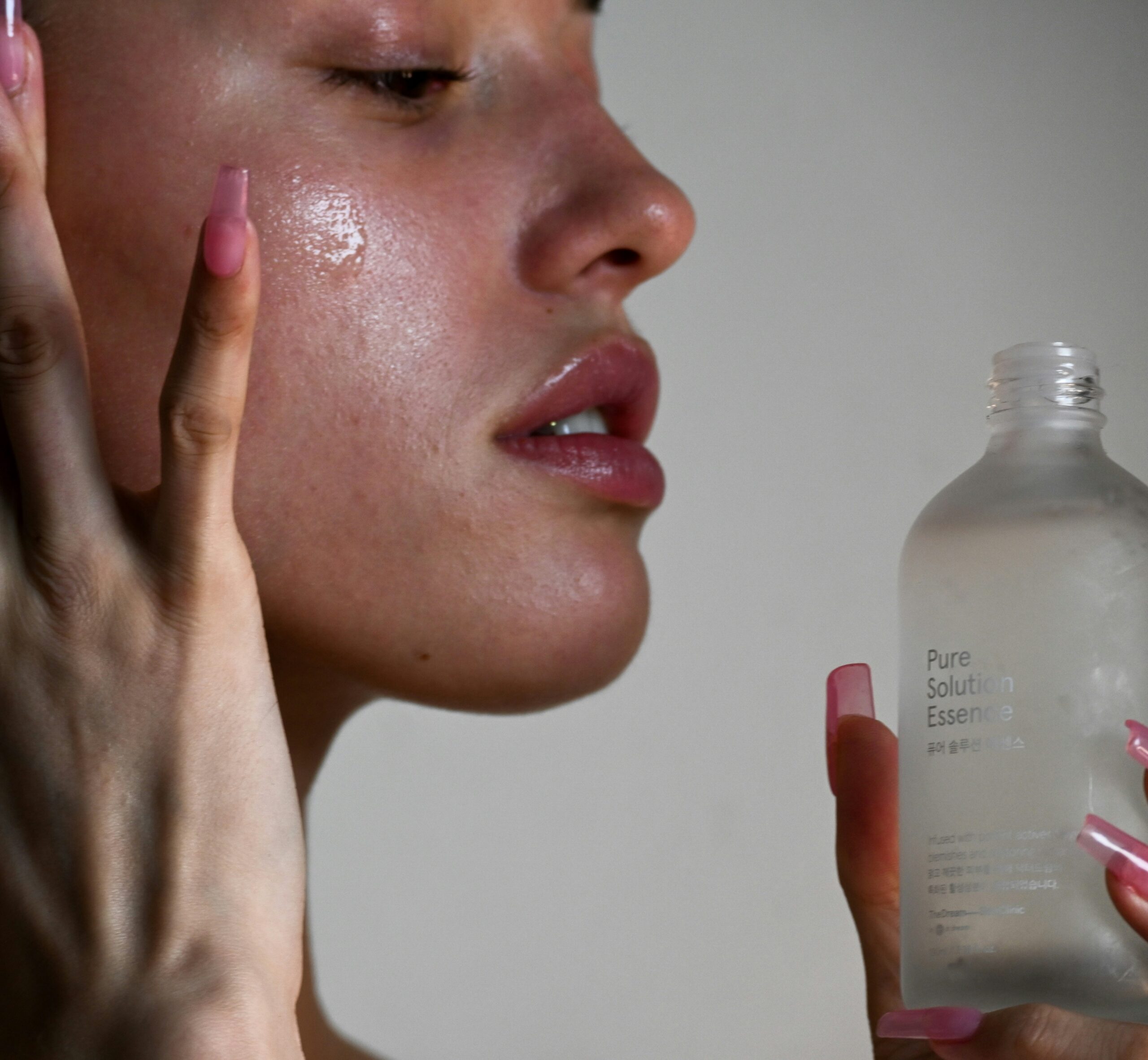
“I believe the glass skin you see online is usually eighty percent makeup, camera settings, and lighting, and only twenty percent actual skincare. It’s a blend of artistry and technique.”
She explained that many creators apply facial oils or glaze serums just before filming to create a temporary glass-like finish.
Combined with strategic makeup, ring lights, and flattering camera settings, the result can make skin appear far smoother and more luminous than it really is.
That made me wonder:
Can good makeup really make average skin look flawless on camera?
“Absolutely,” she says.
“With proper skin prep, the right foundation, targeted concealer, a light touch of powder, and flattering lighting, makeup can make even average skin look incredibly smooth, even-toned, and polished on camera.”
Finally, I asked her one question I ask almost every beauty expert:
What’s one beauty secret you wish more people knew?
Her answer echoed something…
“The single best beauty product in the world is a sunscreen you actually like wearing.”
“Most people think of sunscreen as something for the beach, but UV rays are responsible for skin ageing, fine lines, hyperpigmentation, and even elasticity. You can use the most expensive serums and treatments in the world, but if you aren’t protecting your skin from the sun every single day, you’re mopping up a flood while leaving the front door wide open.”
My biggest takeaway
After speaking to both a dermatologist and a makeup artist, one thing became surprisingly clear. Healthy skin isn’t built by owning more products. And, flawless skin on social media often isn’t what it appears to be.
Good skincare is about choosing the right products and giving them time to work. Great makeup is about understanding light, technique, and illusion. And somewhere between the two lies the version of beauty that’s actually worth chasing—not perfect skin, but healthy, well-cared-for skin.