
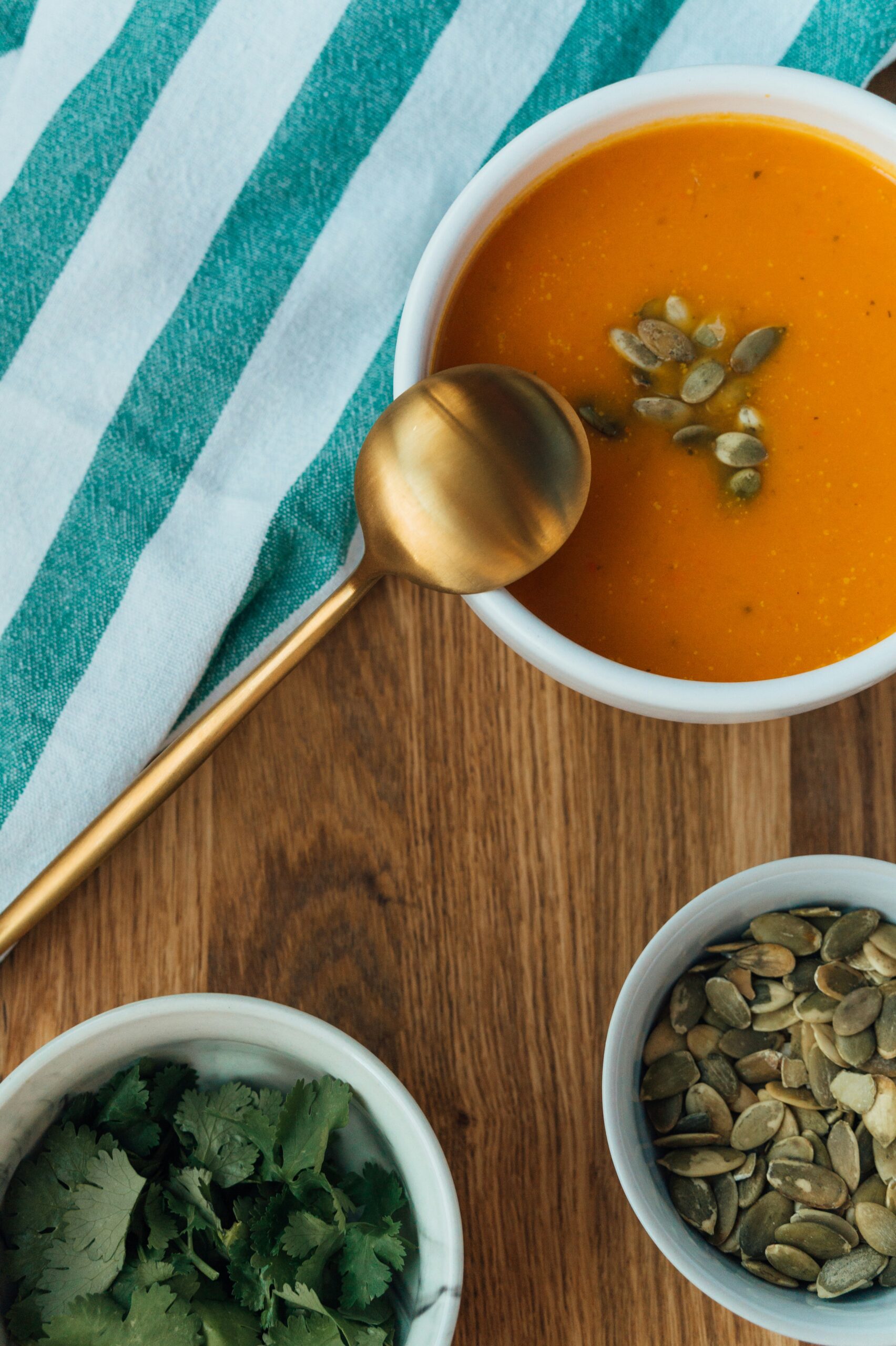
Open Instagram and you’ll notice a pattern almost immediately. Every second reel is telling you how to fix your skin, your hair, your wardrobe — basically, your entire existence. There’s a serum for glow, a cream for collagen, a supplement for longevity and, apparently, now a whole category of food that can do wonders for your skin.
That’s right, we’re officially in the ‘Glow Food’ era — where what you eat is apparently just as important as what you put on your skin.
The idea isn’t exactly new. We’ve always known that certain foods are packed with nutrients that support healthy skin, collagen production and overall well-being. But somewhere between a viral reel and a beautifully shot smoothie bowl, the internet has managed to make us believe that eating three berries and a spoonful of seeds might just be the skincare routine we were missing.
So, how much of this is actually true?
We wanted some real answers — without the usual “just eat clean and drink lots of water” lecture. So, we spoke to Dr. Kanupriya Khanna, Clinical Nutritionist, to understand what our skin actually needs from the inside and to separate the genuinely useful foods from the internet hype.
According to Dr. Kanupriya, the ‘glow food’ trend is essentially a new name for something we’ve known for years— good nutrition and better skin. There is a connection between what we eat, our gut health and our skin.
So, with that in mind, here are 10 foods Dr. Kanupriya recommends adding to your plate — Plus, a few simple ways to eat them without cooking away too many of their skin-loving nutrients.
1. Fatty Fish
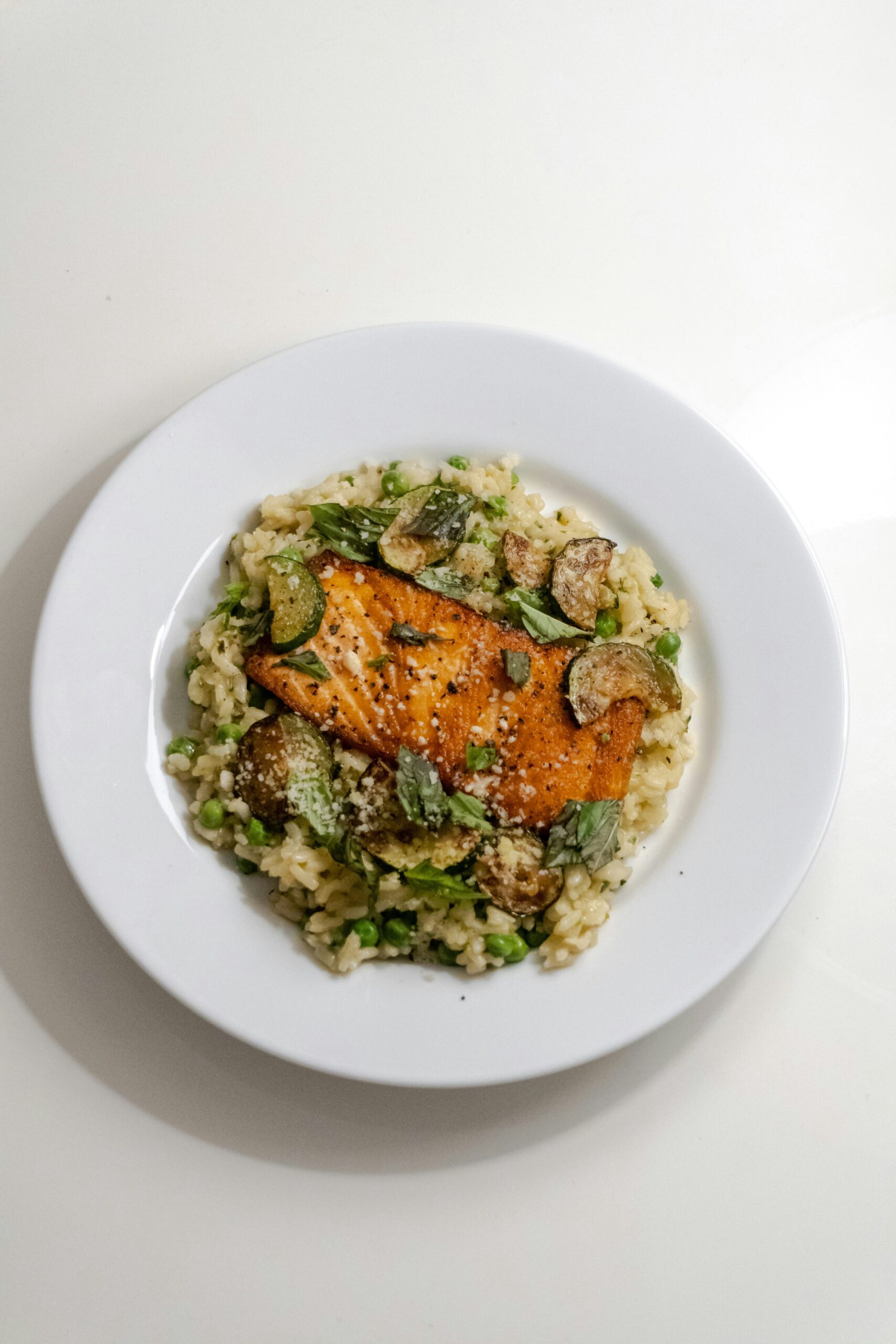
Salmon, sardines and mackerel are rich in omega-3 fatty acids, which can support the skin barrier and help maintain skin hydration. They are also good sources of protein and vitamin D.
Try this: Lemon & Herb Salmon Bowl
Flake cooked salmon over cucumber, avocado and quinoa. Add lemon juice, fresh herbs, a drizzle of extra virgin olive oil and black pepper. It’s simple, filling and doesn’t need a heavy dressing.
2. Walnuts
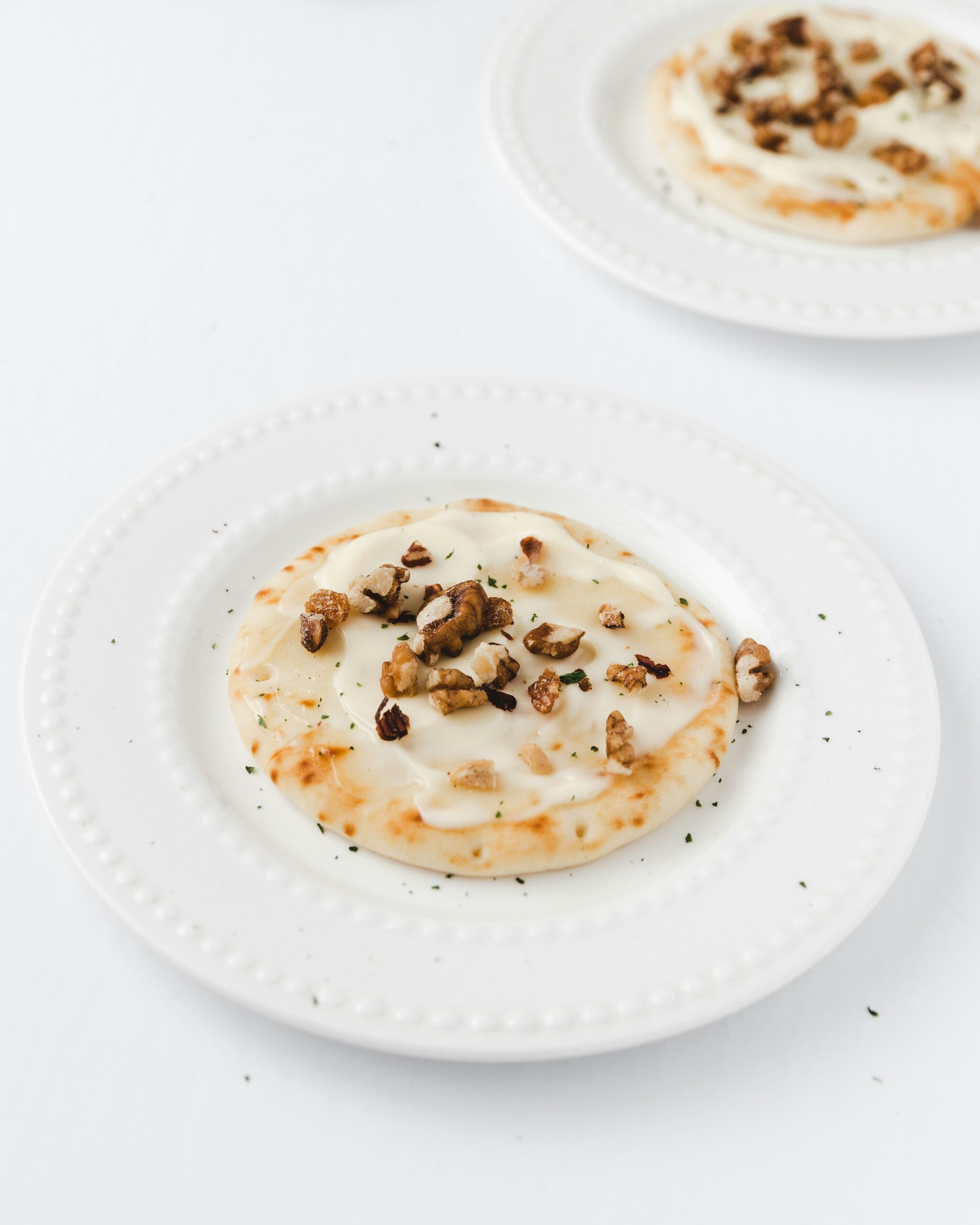
Walnuts are packed with healthy fats, including plant-based omega-3s, along with antioxidants and vitamin E. They’re an easy everyday addition — and you don’t need a complicated recipe to enjoy them.
Try this: Walnut & Apple Crunch
Chop a handful of walnuts and toss them with thinly sliced apple, cucumber, pomegranate seeds and a spoonful of thick yoghurt. Add cinnamon and a squeeze of lemon.
3. Sunflower Seeds
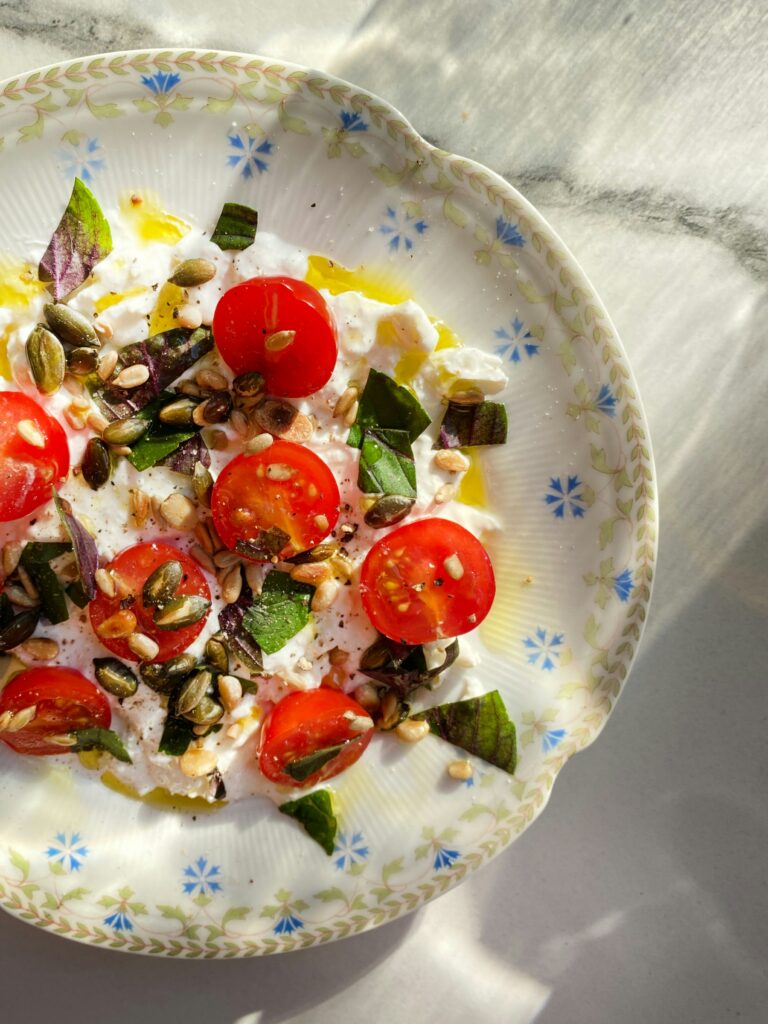
Small but nutrient-dense, sunflower seeds are a good source of vitamin E, healthy fats and minerals. They’re particularly easy to add to snacks, salads or breakfast bowls.
Try this: Sunflower Seed Chaat
Mix sunflower seeds with chopped cucumber, tomato, pomegranate and coriander. Add lemon juice, black salt and a pinch of roasted cumin powder. Crunchy, fresh and far more interesting than another packet of chips.
4. Tomatoes
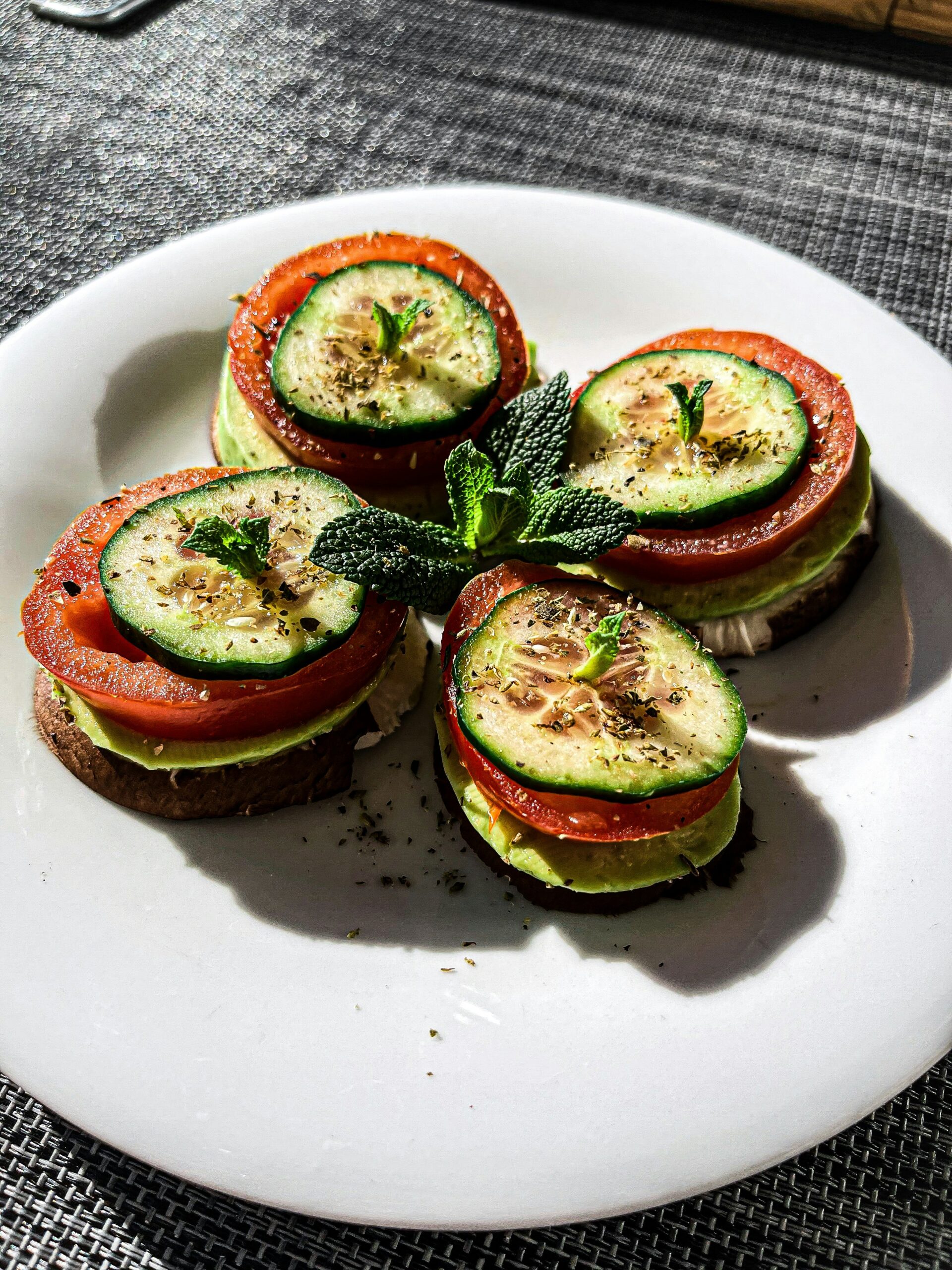
Tomatoes contain lycopene, an antioxidant that has been studied for its role in protecting cells from oxidative stress. Interestingly, cooking tomatoes gently and eating them with a little healthy fat can actually make lycopene easier for the body to absorb.
Try this: Tomato & Olive Oil Toast
Spread mashed avocado over whole-grain toast and top with thinly sliced tomatoes. Drizzle with extra virgin olive oil, add black pepper and finish with fresh basil or coriander.
5. Dark Chocolate
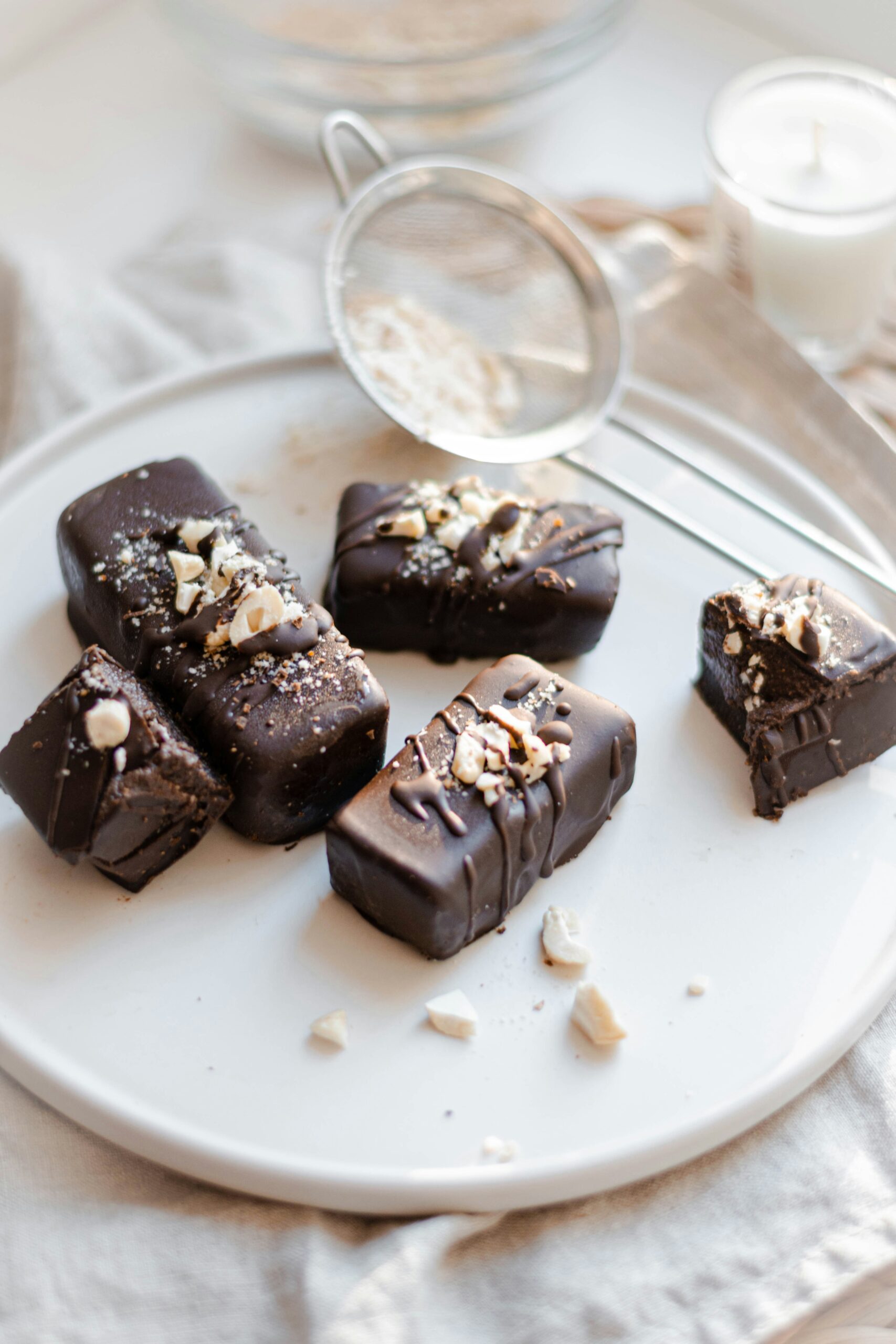
Before you get too excited, this isn’t an invitation to finish an entire chocolate bar. Dark chocolate with a high cocoa content contains flavanols and other antioxidant compounds, so a couple of squares can be a perfectly nice addition to your diet.
Try this: Chocolate Nut Bites
Melt a little dark chocolate gently and spoon it over chopped walnuts, pumpkin seeds and unsweetened coconut. Add a tiny pinch of sea salt and refrigerate until set. Break into small bites.
6. Avocado
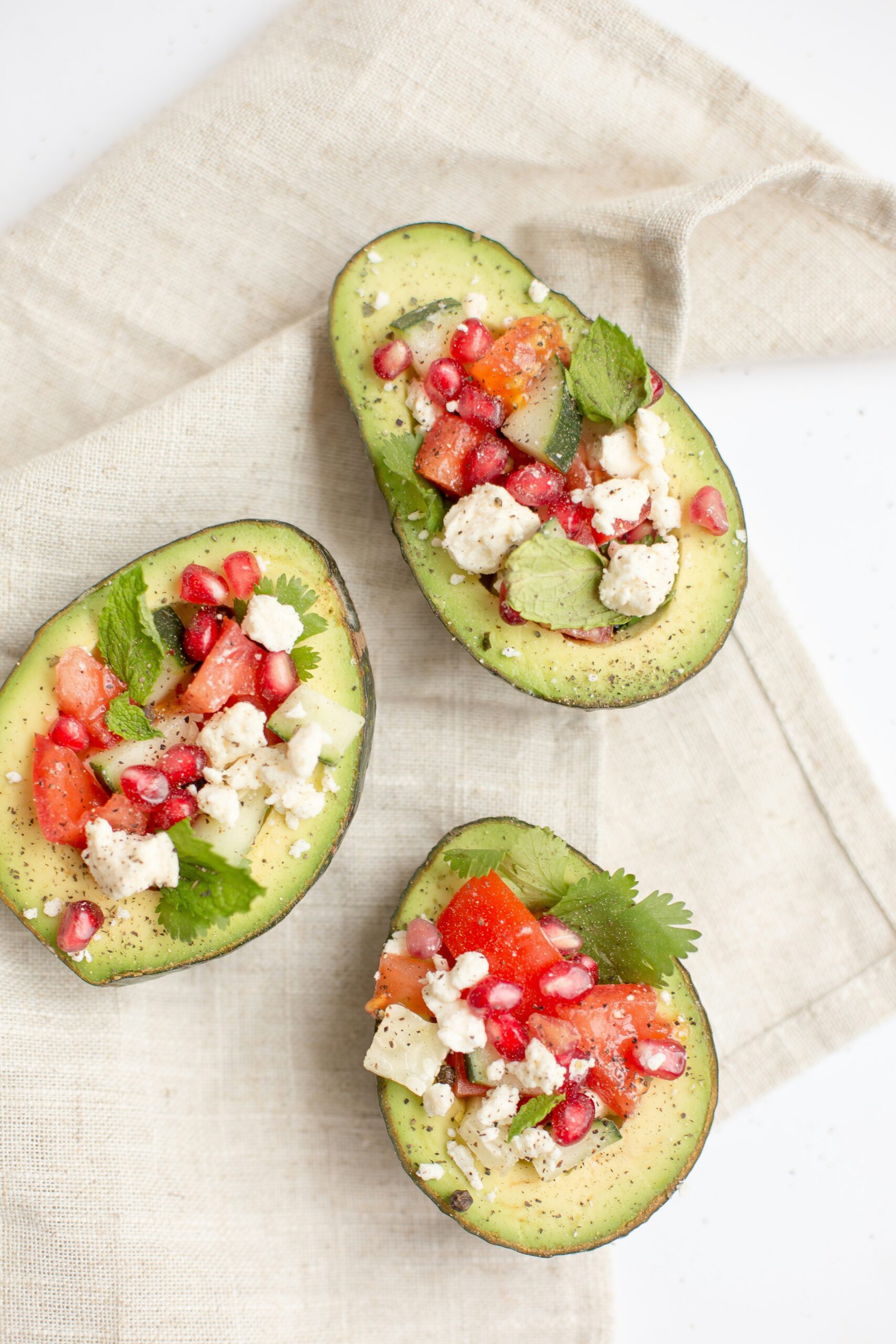
Avocado is rich in monounsaturated fats and vitamin E, making it another useful source of healthy fats. Its creamy texture also makes it an easy alternative to butter or mayonnaise.
Try this: Avocado & Chickpea Smash
Mash half an avocado with chickpeas, lemon juice, coriander, black pepper and a little chilli. Spread it on toast or serve it with cucumber and carrot sticks.
7. Green Tea

Green tea contains catechins, plant compounds with antioxidant properties. It can be a simple way to add more antioxidant-rich foods to your routine, particularly if you drink it without adding sugar.
Try this: Green Tea Citrus Cooler
Brew green tea and allow it to cool. Add fresh orange slices, mint leaves and a squeeze of lemon. Chill and serve without sugar.
8. Extra Virgin Olive Oil
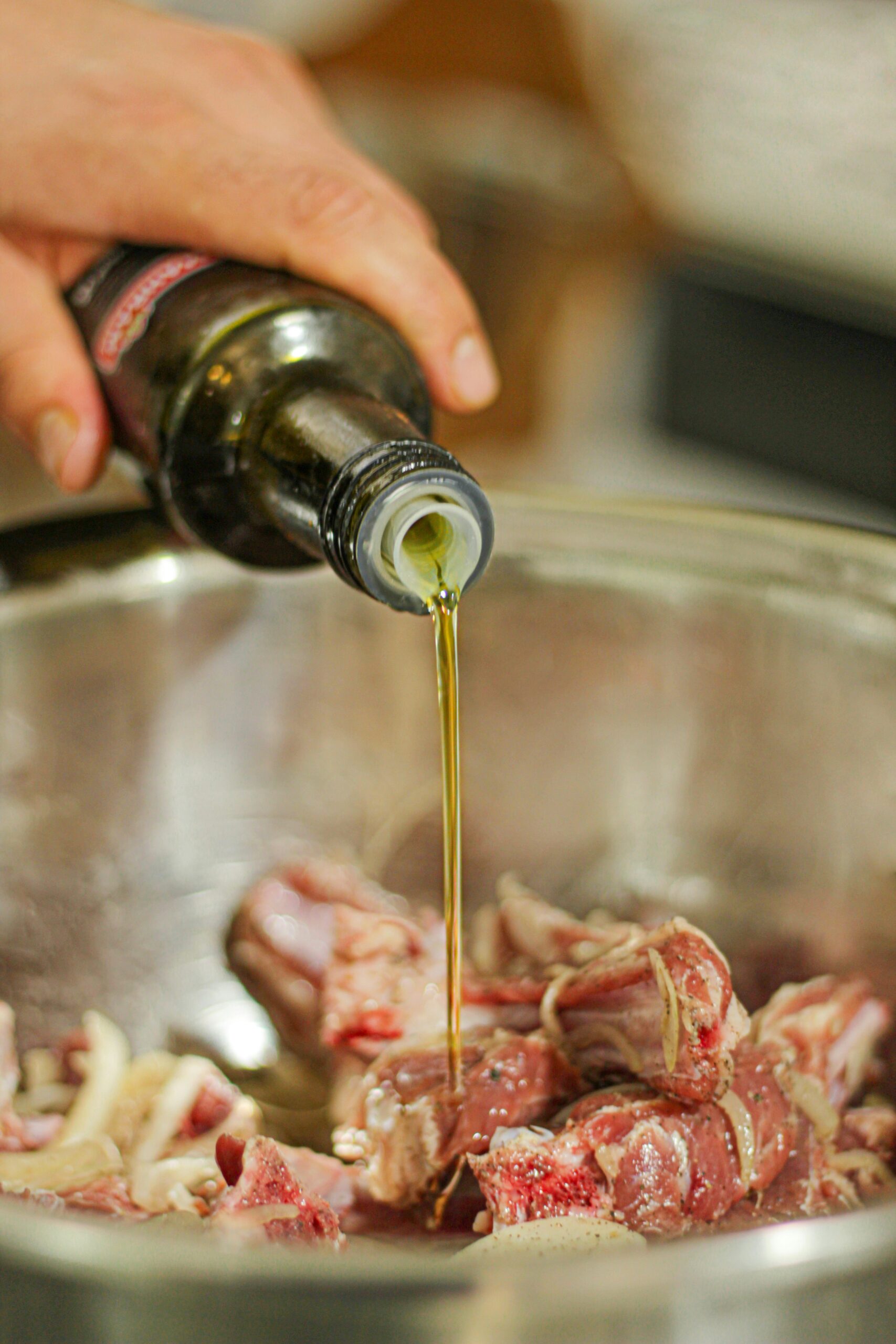
Extra virgin olive oil is rich in monounsaturated fats and naturally occurring antioxidant compounds such as polyphenols. A drizzle over salads, vegetables or grains is an easy way to include healthy fats in everyday meals.
Try this: Olive Oil Hummus Bowl
Take a bowl of hummus and top it with cucumber, tomatoes, olives, parsley and pomegranate seeds. Finish with extra virgin olive oil and lemon juice. Serve with whole-grain pita or roti.
9. Kale
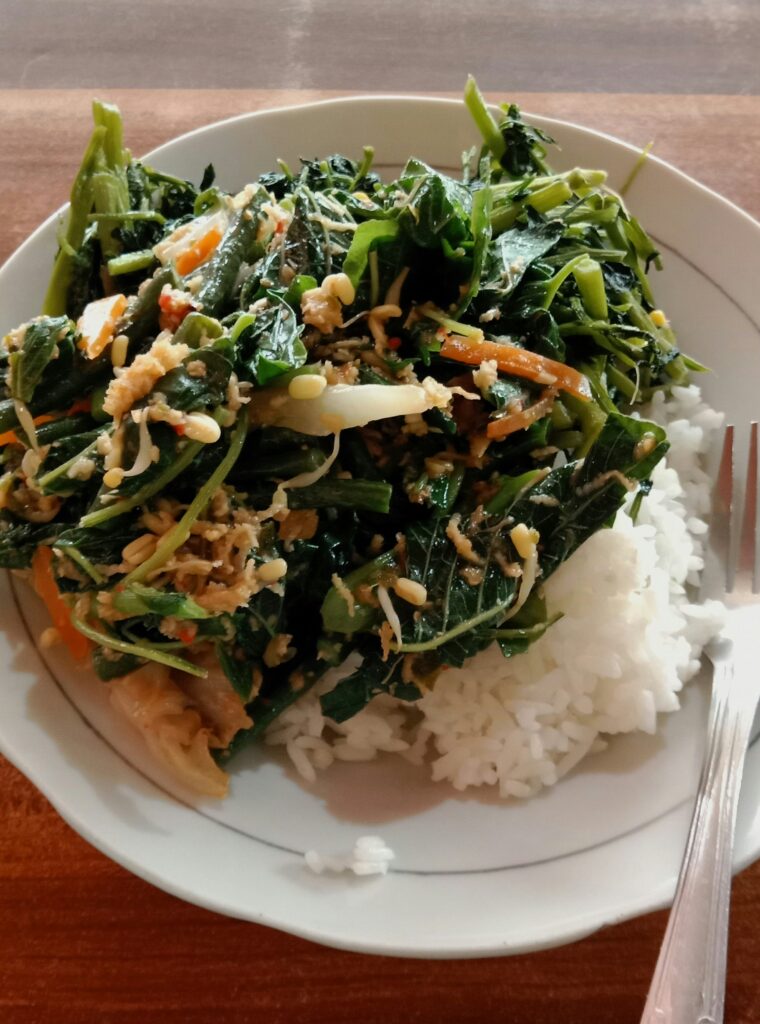
Kale provides vitamin C, vitamin K, carotenoids and several antioxidant compounds. You don’t necessarily need to turn it into a green juice either — it can simply be another leafy green in your meals.
Try this: Kale & Peanut Salad
Finely chop the kale and massage it briefly with lemon juice and a little olive oil to soften it. Add grated carrot, cucumber, roasted peanuts and pomegranate seeds. Toss and finish with black pepper.
10. Pomegranate
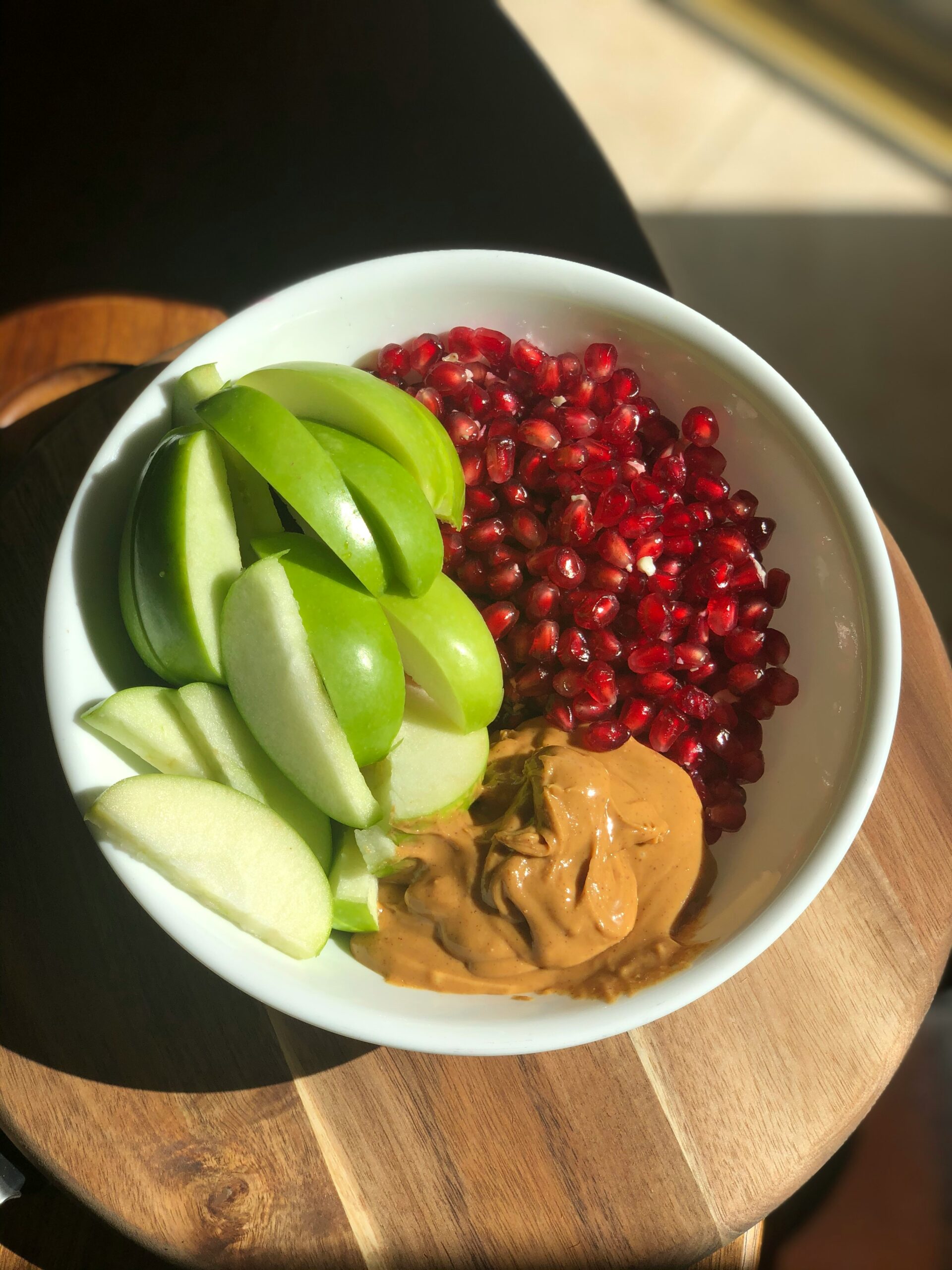
Pomegranate is rich in polyphenols and other antioxidant compounds. The seeds also bring a lovely sweet-tart flavour to everything from yoghurt to salads.
Try this: Pomegranate Raita
Fold fresh pomegranate seeds into thick yoghurt with chopped mint, roasted cumin powder and a pinch of black salt. Chill before serving alongside a simple Indian meal.
So, do these foods actually make you glow?
Well, yes — but probably not in the way Instagram would have you believe.
Dr. Kanupriya points out that the ‘glow food’ trend is essentially a rebranding of basic nutrition. It is useful because it encourages people to look at whole, nutrient-rich foods, but it becomes misleading when individual ingredients are presented as miracle foods.
“Eating sardines once isn’t going to fix your skin. Having a bowl of pomegranate every morning won’t suddenly erase fine lines. And eating everything raw isn’t automatically healthier either. Some nutrients are better absorbed after gentle cooking, while others can be reduced by heat. The goal is variety, not a fear of cooking.”
So, the next time you see a beautifully edited reel declaring that one particular food is the secret to glowing skin, take it with a pinch of salt.
Because there really is nothing wrong with eating a little more thoughtfully — especially when it tastes this good.






1 thought on “10 Glow Foods Worth Adding to Your Plate”
Going to try these out!