
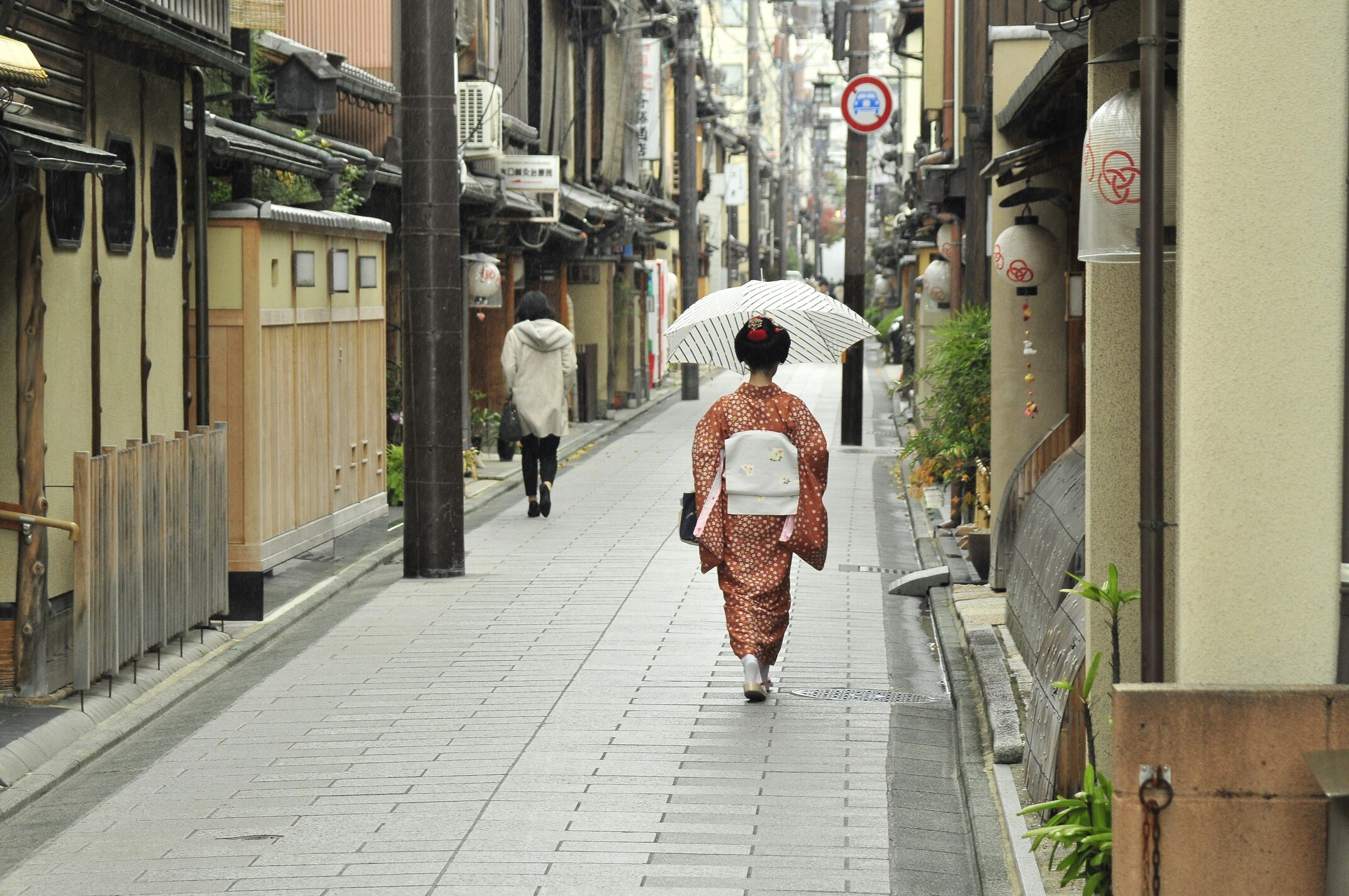
When it comes to health and longevity, Japan consistently ranks among the top countries in the world—yet one of the most fascinating aspects of Japanese culture is how remarkably low the obesity rate is compared to Western nations. Walking through the streets of Tokyo or Kyoto, it’s rare to see people struggling with weight, which often leaves visitors wondering: what’s their secret?
While there’s no single answer, there are several key lifestyle habits and cultural norms that help explain why Japanese people tend to stay slim without resorting to extreme diets or fitness fads. Here are five compelling reasons behind this phenomenon.
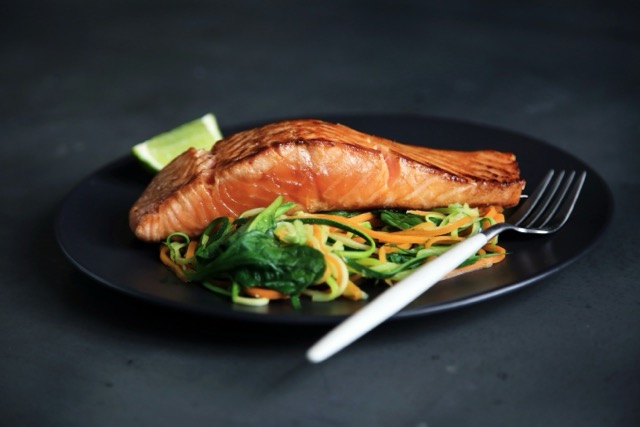
Hara Hachi Bu, which means portion control in English, is an ancient Japanese concept that translates to “eat until you are 80% full.” It is a philosophy of mindful eating where the idea is to stop eating when you feel comfortably satisfied, rather than stuffing yourself until you cannot eat anymore.
This process prevents overeating, helps with weight management, and reduces the risk of obesity. Controlled easing also allows your body to digest food more efficiently and reduces the strain on your digestive system.
2. ‘Washoku’ which is balanced and nutrient-rich diet
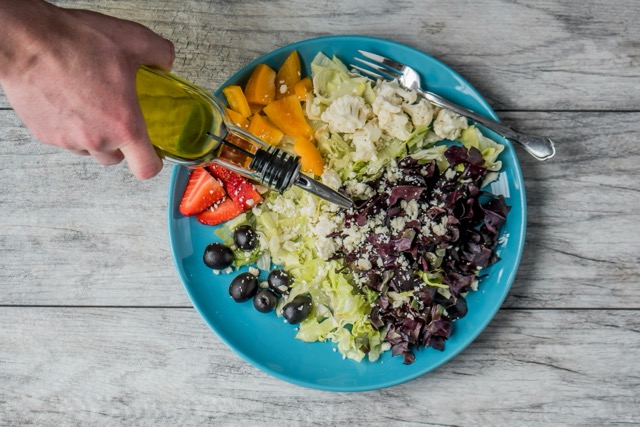
Japanese people believe in “Washoku,” a renowned diet focusing on balance, freshness, and minimal processing. This weight management secret helps Japanese people stay in shape and also prevents numerous health conditions such as diabetes, obesity, heart issues, and Irritable Bowel Syndrome (IBS). The core principles of Washoku emphasize on the use of fresh, seasonal produce, seafood, and other locally sourced ingredients. These include rice, noodles, fish, tofu, meat, vegetables, fermented foods, and citrus fruits. It also includes a variety of small side dishes that are a rich source of macronutrients such as carbohydrates, protein, and fat, and micronutrients such as vitamins and minerals.
3. ‘Yukkuri shokuji’ which is slow eating

slow eating Slow eating or mindful eating is believed to reduce your food intake, while still making you feel full and satisfied. Besides Hara Hachi Bu, Japanese people pay close attention to the flavors, textures, and aromas of food in a single meal, served in smaller portions. This makes you want to eat it slow and savor every bite.Many Japanese meals involve sharing dishes, promoting a communal dining experience and encouraging smaller individual portions. They also value the effort that went into preparing the food, leading to a more mindful and appreciative eating experience.

Having an active lifestyle is deeply intertwined with Japanese culture, as it gives a holistic approach to their health lifestyle. Some of these habits include walking and cycling that are common modes of transportation, especially in urban areas. This daily physical activity seamlessly contributes to their overall fitness without requiring extra time and effort. Other activities include hiking, martial arts, and meditation, which might require some extra time but can significantly contribute to living a healthy life.
Another interesting addition to the Japanese style of healthy living is the hot spring “Onsen,” which is a popular leisure activity. People soak themselves in hot water for hours as it is believed to have therapeutic benefits for both physical and mental health.
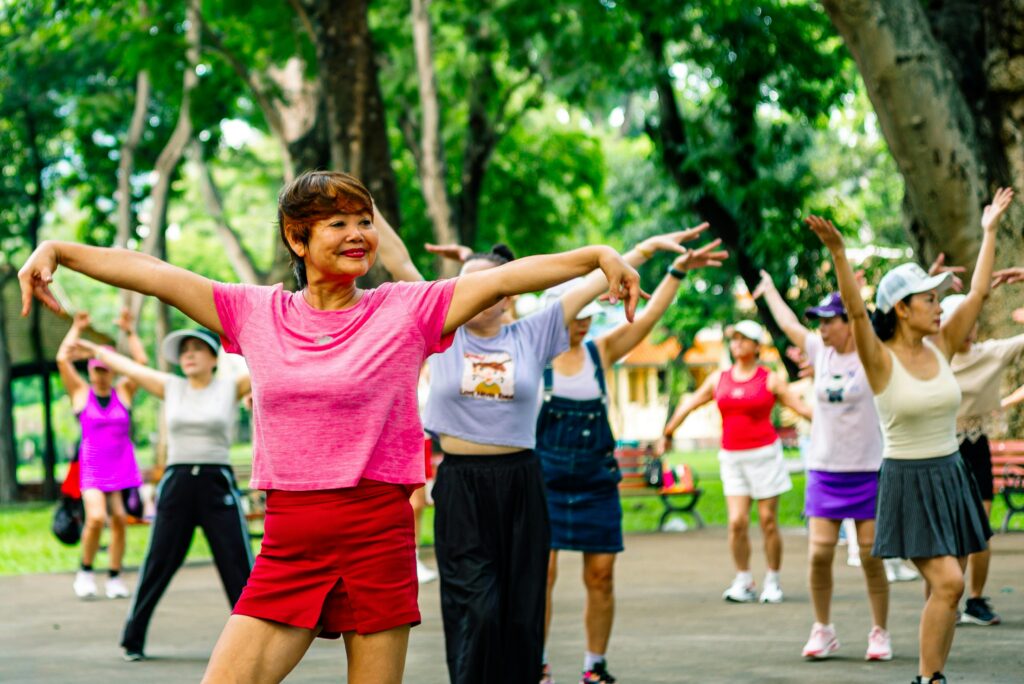
In addition to practicing healthy living via diet, physical activity, meditation, nature baths, and other mindfulness practices, Japanese people also try to educate others on how to live a healthy life. They spread the word through various channels such as community initiatives (health fairs and workshops, community gardens, walking groups, and exercise classes), and media and technology mediums (health magazines, TV programs, social media channels, and health apps)
As an interesting fact to add here, a Japanese radio channel NHK Radio 1 broadcasts “Radio Exercises” several times a day. It is a set of simple calisthenics performed to music and instructions, promoting physical activity and a healthy lifestyle within the Japanese population.
To conclude, Japanese culture places a strong emphasis on health and well-being, which contributes to their relatively high life expectancy and low rates of certain chronic diseases. This blog is just a brief introduction of how Japanese people live a healthy life. If you wish to adopt any of these habits, it is advisable to research the topic in detail and always consult a medical professional or nutrition expert to ensure maximum results.